Skip to main content

Why Secondhand Shopping Is Better for the Planet (and Our Communities)
Earth Month is a time to reflect on how our everyday choices affect the planet – and to rethink habits that can make a real difference. Conversations about sustainability often focus on recycling, energy efficiency, or reducing single-use plastics. While those efforts matter, one of the most impactful and accessible ways to live more sustainably is often misunderstood: thrifting.
At Palmetto Goodwill, we hear a lot of assumptions about secondhand shopping and donating. This Earth Month, we’re setting the record straight by busting some of the most common thrifting myths and sharing the truth about how secondhand shopping supports sustainability, reduces waste, and strengthens communities across South Carolina.
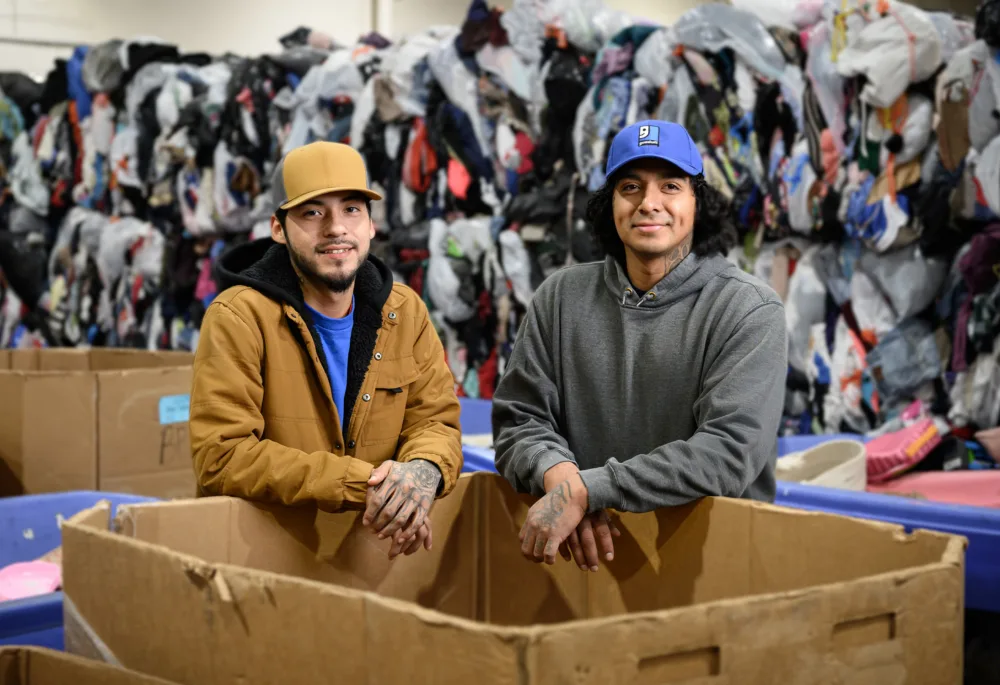
Your donations at Palmetto Goodwill power a circular economy that protects the planet and creates local jobs.
Myth #1: Thrifting Doesn’t Really Help the Environment
Busted.
Thrifting has a direct and meaningful environmental impact.
When you shop secondhand, you help extend the life of goods that already exist. Clothing, home items, and accessories require energy, water, and raw materials to produce. By reusing these items instead of buying new, you reduce the demand for additional manufacturing and help keep usable goods out of landfills.
Textile waste is a growing problem in the United States, with millions of tons of clothing discarded each year. Secondhand shopping helps reduce textile waste, lower greenhouse gas emissions, and conserve natural resources. It’s one of the simplest forms of eco-friendly shopping, and one anyone can do.

Affordable and stylish secondhand clothing helps reduce textile waste, proving that sustainable thrifting in South Carolina makes a real environmental difference.
Myth #2: Only Clothing Makes a Difference
Busted.
Thrifting goes far beyond the clothing rack.
While sustainable fashion gets most of the attention, shopping secondhand household goods, furniture, books, electronics, and décor also plays a key role in environmental sustainability. Every reused chair, lamp, or kitchen item represents resources saved and waste prevented.
At Palmetto Goodwill, donations create a local circular economy, where items are reused within the community instead of being thrown away. This reuse reduces the environmental impact associated with new production and transportation, making thrifting a practical way to support Earth Month sustainability all year long.
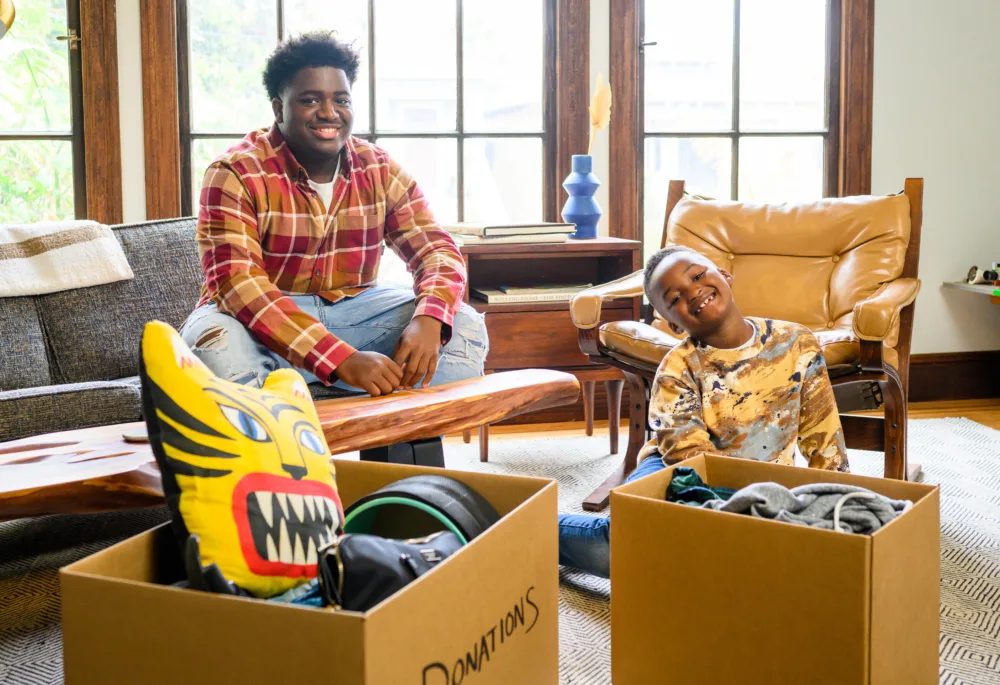
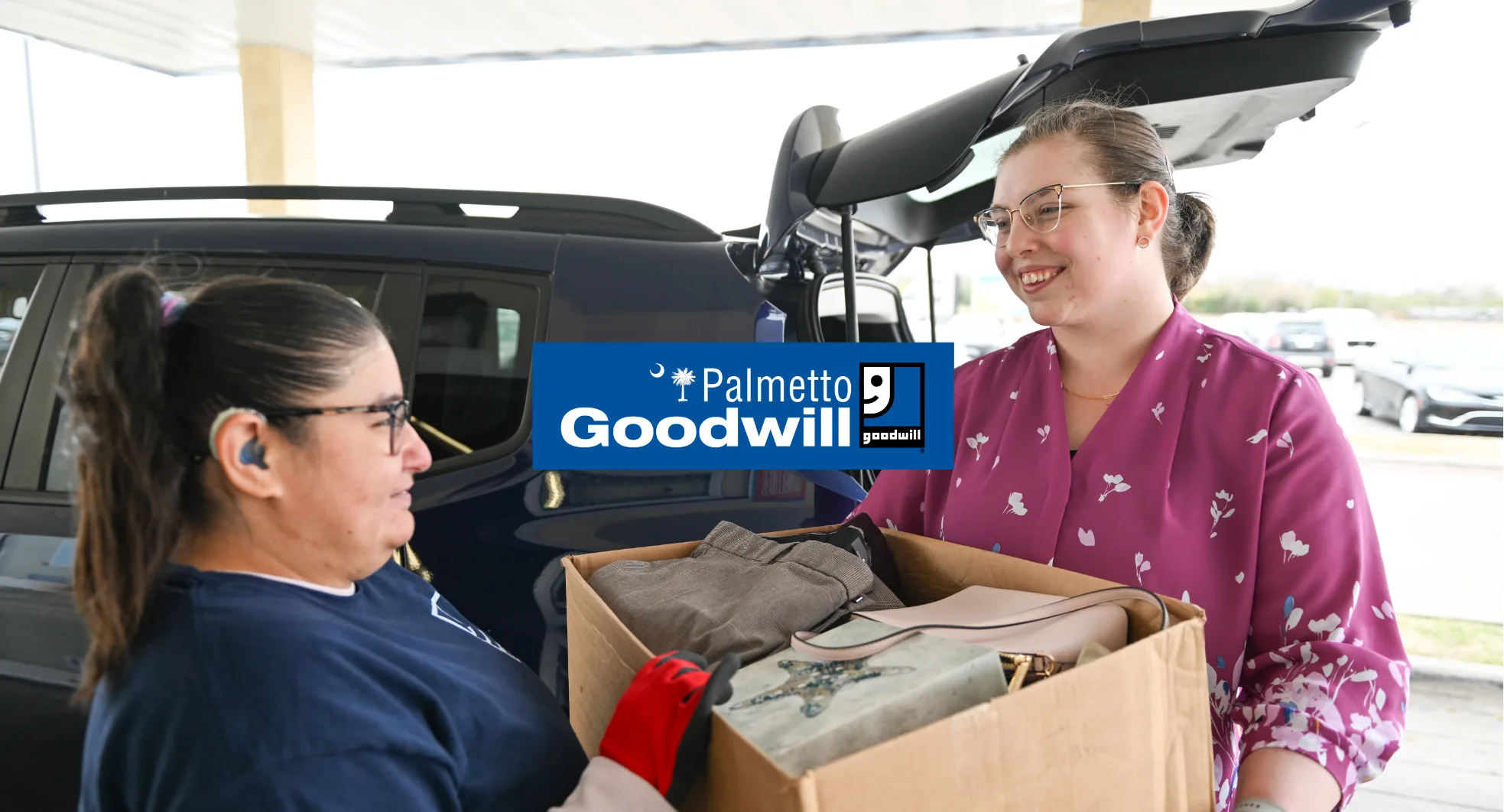
Donating household items like decor and toys is a major part of sustainable thrifting in South Carolina (and it helps keep our communities clutter-free).
Myth #3: Sustainable Shopping Means Buying New “Eco-Friendly” Brands
Busted.
Buying new – even “green” products – still has an environmental footprint.
Many well-intentioned shoppers believe the most sustainable option is purchasing newly made eco-friendly or organic products. While those options can help, the most environmentally responsible choice is often not buying new at all.
Secondhand shopping eliminates the need for new production entirely. It avoids water use, chemical processing, packaging, and shipping associated with new goods. Simply put, reusing what already exists is one of the most effective sustainable shopping habits.
This Earth Month, choosing secondhand is an easy way to reduce your impact without changing your lifestyle – or your budget.
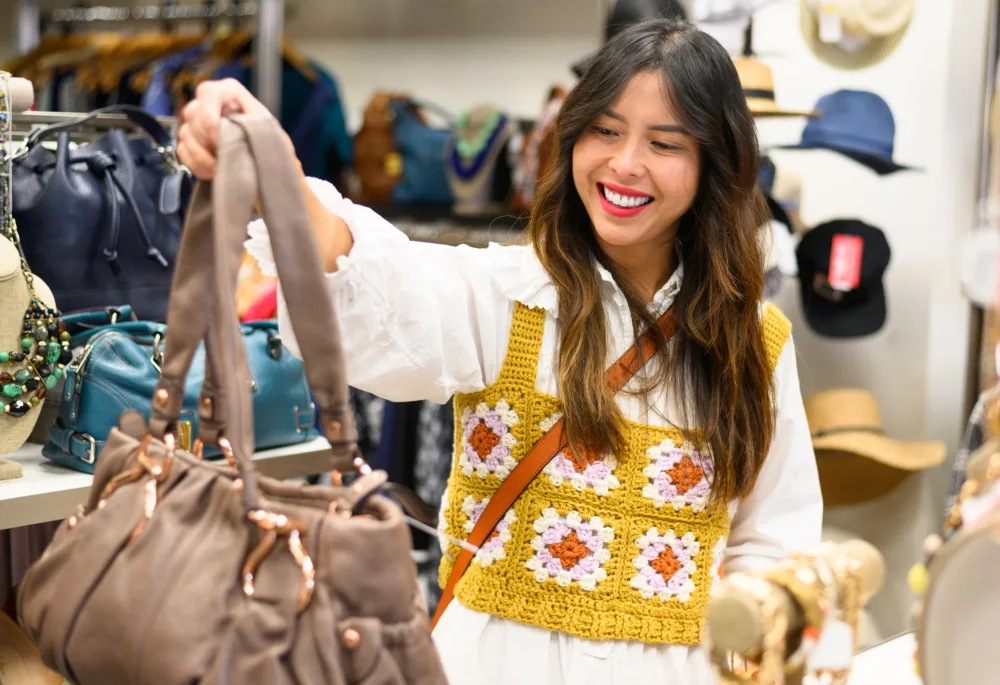
Skip the “eco-friendly” new brands (choosing pre-loved items is the ultimate way to practice sustainable thrifting in South Carolina).
Myth #4: Donated Items Just End Up in the Trash Anyway
Busted.
Donations play a critical role in sustainability and community impact.
It’s true that not every donated item can be sold, but that doesn’t mean donations don’t matter. At Palmetto Goodwill, items are carefully sorted to determine the best possible outcome: resale, recycling, or responsible disposal.
Revenue from donated goods directly supports job training, education, and employment programs that help people across South Carolina find stability and opportunities. Even items that can’t be sold often contribute to sustainability through recycling partnerships, helping divert waste from landfills.
The key is donating thoughtfully and choosing to donate instead of throwing away whenever possible.
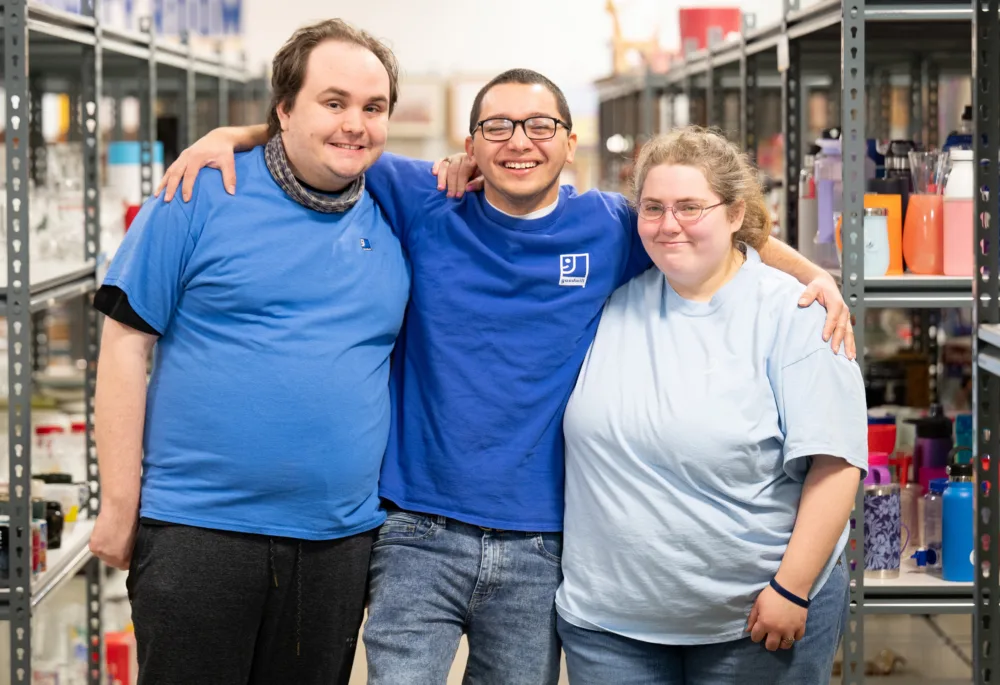
When you choose sustainable thrifting in South Carolina, you aren’t just saving the planet (you’re supporting the people who make our community thrive).
Myth #5: Thrifting Is Inconvenient or Outdated
Busted.
Thrifting today is modern, accessible, and community focused.
Secondhand shopping has evolved. Thrift stores now offer curated selections, trendy styles, and affordable options for every stage of life. Thrifting is also one of the most budget-friendly ways to shop sustainably, making eco-friendly choices accessible to more people.
Beyond convenience, thrifting connects people to their community. When you shop or donate at Palmetto Goodwill, you’re not only supporting environmental sustainability – but you’re also investing in local workforce development and economic opportunity.
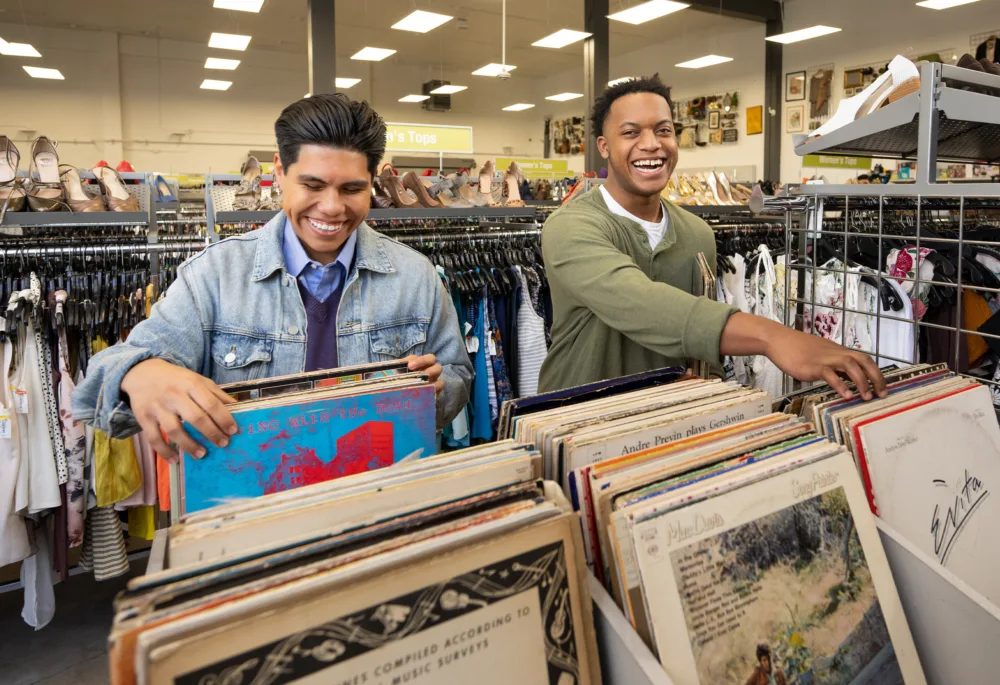
Thrifting today is modern and full of unique finds like vintage vinyl (making sustainable thrifting in South Carolina a lifestyle choice for all ages).
The Bigger Picture: Sustainability Meets Community Impact
What makes thrifting especially powerful is that it supports both the planet and people.
At Palmetto Goodwill, sustainability is woven into our mission. Revenue generated through donations and secondhand shopping helps fund programs that prepare individuals for employment, strengthen the local workforce, and support economic growth throughout our region.
This Earth Month, thrifting becomes more than a sustainable shopping choice – it’s a way to support local impact with global benefits.
Sustainability doesn’t have to be complicated.
Small, everyday actions – like shopping secondhand or donating items you no longer need – add up to meaningful change.
By busting common thrifting myths, we hope to encourage more people to see secondhand shopping for what it truly is:
- A practical way to reduce waste
- A powerful tool to support the circular economy
- A community-driven choice that helps people and the planet thrive
Join Palmetto Goodwill in creating a more sustainable future – one donation, one purchase, and one choice at a time.