Skip to main content

How to Build a Sustainable Closet That Actually Lasts
Building a sustainable wardrobe isn’t a passing trend – it’s a long‑term mindset shift that blends style, intention, and environmental responsibility. As Earth Month sparks conversations about how we live and consume, fashion remains one of the most impactful (and overlooked) areas where small choices can lead to big change.
The average person buys far more clothing than they did a decade ago yet wears each item fewer times. The result? Overflowing closets, rising textile waste, and an industry under increasing scrutiny for its environmental and social impact. The good news is that creating a sustainable closet doesn’t require a full wardrobe overhaul. It starts with awareness, better habits, and a little creativity.
This guide walks you through practical, realistic ways to build a sustainable wardrobe that works for your lifestyle – today and for years to come.
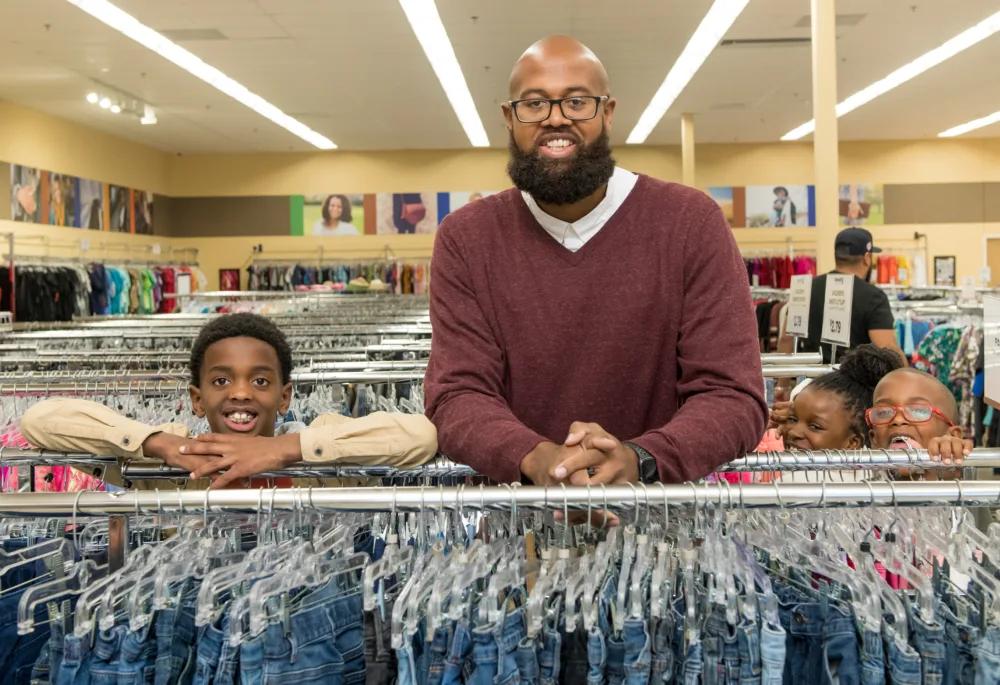
Quality finds for everyone: Whether you’re hunting for designer labels or school essentials, Palmetto Goodwill is the best thrift store near you for affordable, sustainable shopping that supports our community mission.
1. What Sustainable Fashion Really Means (and Why It Matters)
Sustainable fashion is about how clothing is made, used, and re-used, not just where it’s purchased. It prioritizes:
- Environmentally responsible materials and production
- Ethical labor practices and fair wages
- Longevity, quality, and reduced waste
Fast fashion, on the other hand, thrives on speed and volume. Clothing is often manufactured using resource‑intensive processes, treated with harmful dyes, and made to wear out quickly. When trends fade, garments are tossed – many end up in landfills where textiles can take decades to decompose.
Beyond the environmental toll, fast fashion carries a human cost. Workers throughout the supply chain are frequently underpaid and overworked. Choosing more sustainable alternatives helps support brands and organizations that put people and the planet first.
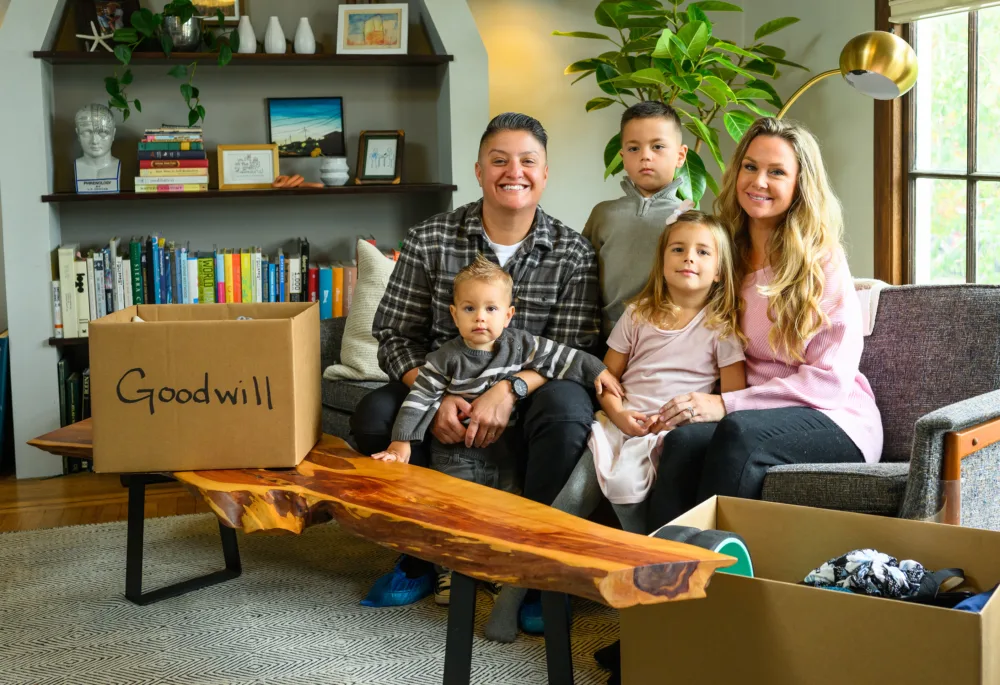
Check before you pack: We want to make sure your items are on our “safe to accept” list before you head to your local Palmetto Goodwill.
2. Start With a Closet Audit (Before You Buy Anything)
Before adding anything new to your wardrobe, take inventory of what you already own. A closet audit helps you avoid duplicate purchases and rediscover forgotten favorites.
As you sort through your clothing, ask yourself:
- Does this fit my current lifestyle and style?
- Have I worn this in the past year?
- Would I buy this again today?
Create three simple categories:
- Keep: Items you love, wear often, and feel good in
- Donate: Gently worn items that no longer serve you
- Recycle or Repurpose: Pieces that are damaged or beyond repair
This process highlights gaps in your wardrobe and helps you shop more intentionally going forward.
Pro tip: Consider building a capsule wardrobe – a streamlined collection of versatile pieces that mix and match easily. Fewer clothes, more outfits, and far less decision fatigue.
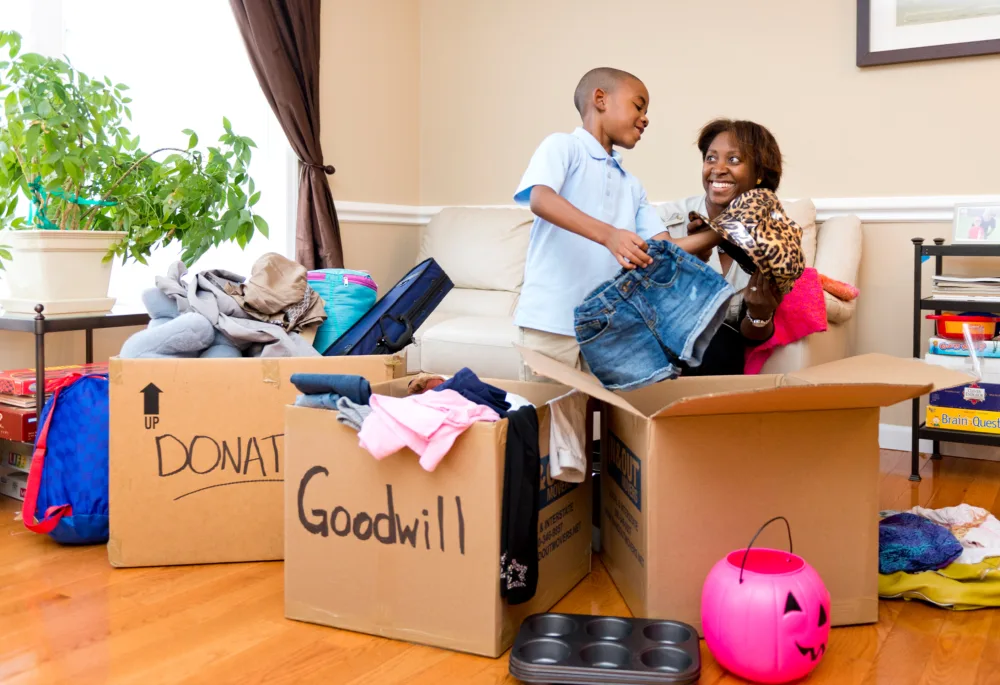
Decluttering for a cause: When you pack a box for Palmetto Goodwill, you are turning your unused items into a hand up for neighbors starting new careers.
3. Shop Smarter: Quality, Secondhand, and Sustainable Brands
Once you know what you actually need, shopping becomes purposeful instead of impulsive.
Secondhand first. Thrift stores, resale apps, and vintage shops are gold mines for unique, affordable finds that keep clothing in circulation longer.
Choose quality over quantity. A well‑made garment that lasts for years is far more sustainable than multiple cheaper items that wear out quickly.
Support ethical brands. Look for transparency around materials, labor practices, and environmental commitments. Certifications and brand impact pages can help you make informed decisions.
Understand fabrics. Natural fibers like organic cotton, linen, hemp, and wool generally have a lower environmental footprint than synthetics. Recycled and upcycled materials are also strong sustainable choices.
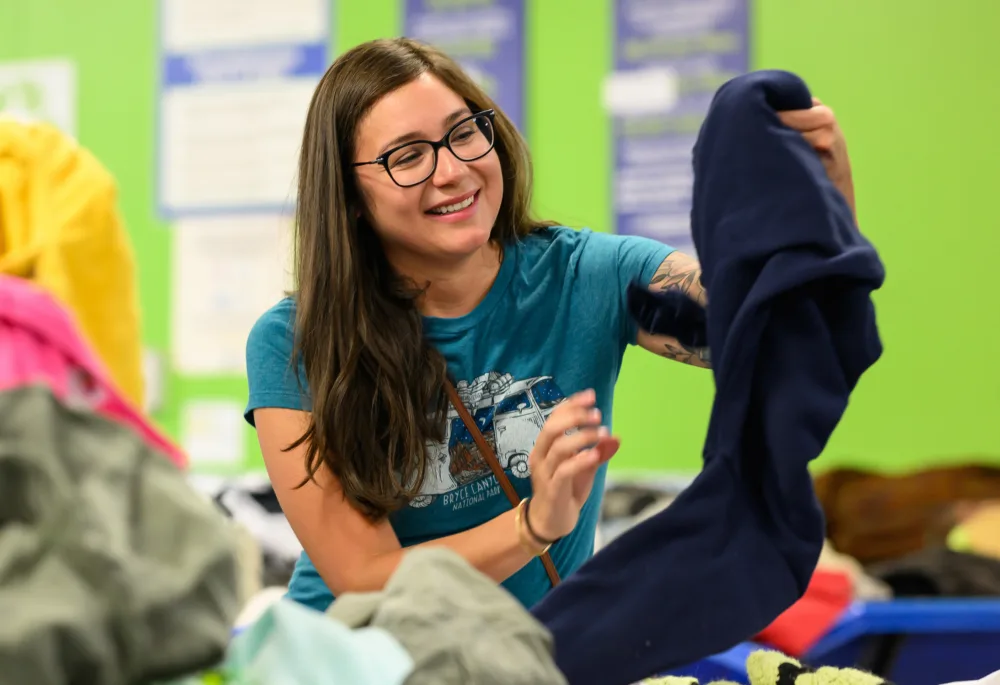
Finding gold in the bins: Choosing secondhand first is one of the easiest ways to shop sustainably while discovering unique pieces that reflect your personal style.
4. Care for Your Clothes Like an Investment
How you care for your clothes directly impacts how long they last.
Wash smarter:
- Use cold water to save energy and prevent fading
- Wash less frequently when possible
- Skip the dryer when you can – air drying preserves fabric and fit
Store intentionally:
- Fold heavy knits to prevent stretching
- Use padded hangers for delicate items
- Store seasonal pieces clean and protected
Repair and revive. Sewing a loose button, fixing a hem, or patching a tear can extend the life of a garment by years. Upcycling old pieces into something new adds personality — and keeps textiles out of landfills.
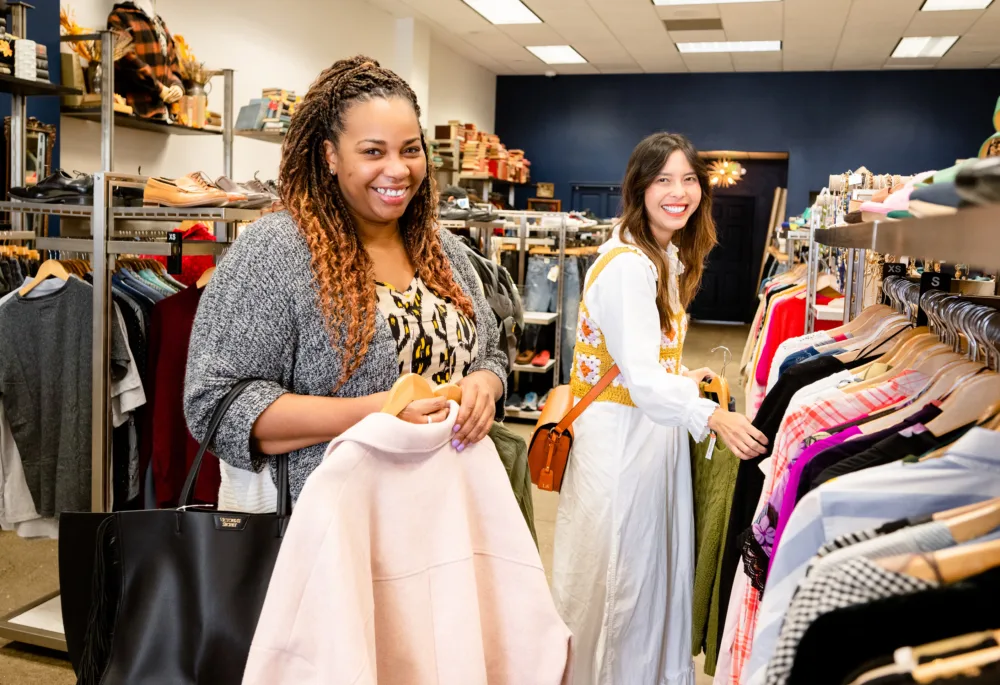
Treating your thrifted finds like an investment: When you choose quality pieces and care for them properly, your wardrobe lasts for years instead of seasons.
5. Donate and Recycle Responsibly
Letting go of clothing is just as important as acquiring it responsibly.
Before donating:
- Make sure items are clean and in good condition
- Repair small issues if possible
Local nonprofits, shelters, and resale shops give clothing a meaningful second life. Organizations like Palmetto Goodwill also support job training and community programs, making your donation doubly impactful.
For items that can’t be worn again, seek out textile recycling programs. Many retailers and municipalities now accept worn fabrics, reducing waste and conserving resources.
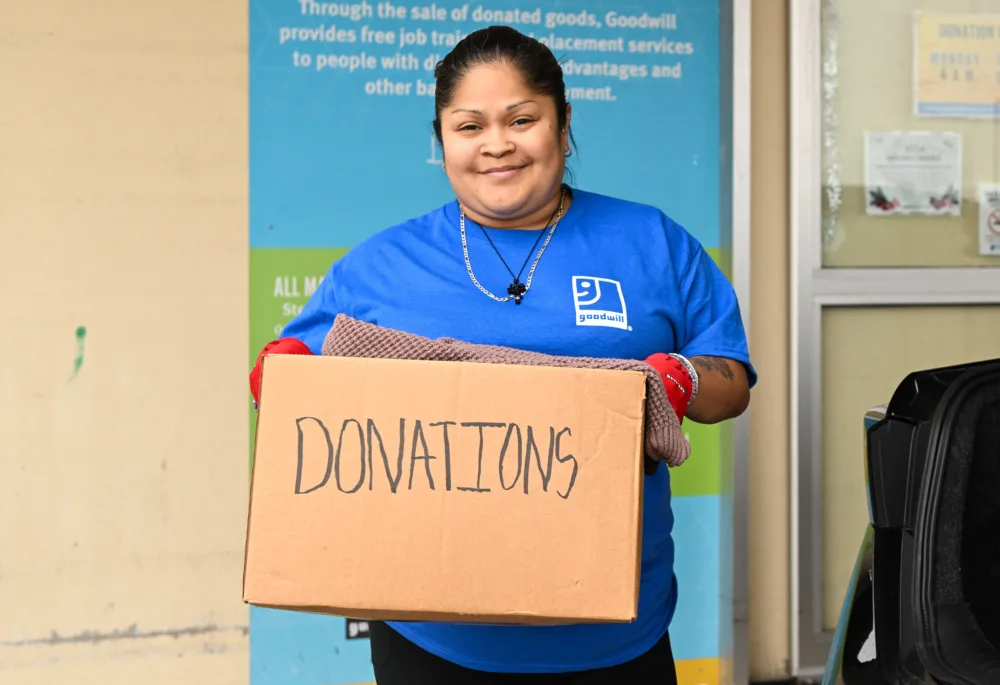
Every box makes a difference. Your donations and thrift purchases fund over 91% of our mission services, including your free access to Google Certifications.
6. Build a Sustainable Fashion Mindset
A sustainable wardrobe isn’t about perfection – it’s about progress.
Shift from seeing clothing as disposable to viewing it as an investment. Choose pieces with stories, longevity, and versatility. Embrace minimalism where it makes sense, and resist trend pressure in favor of timeless style.
Most importantly, share what you learn. Host a clothing swap, style thrifted finds, or talk openly about your sustainability journey. When more people rethink how they shop, the collective impact grows.
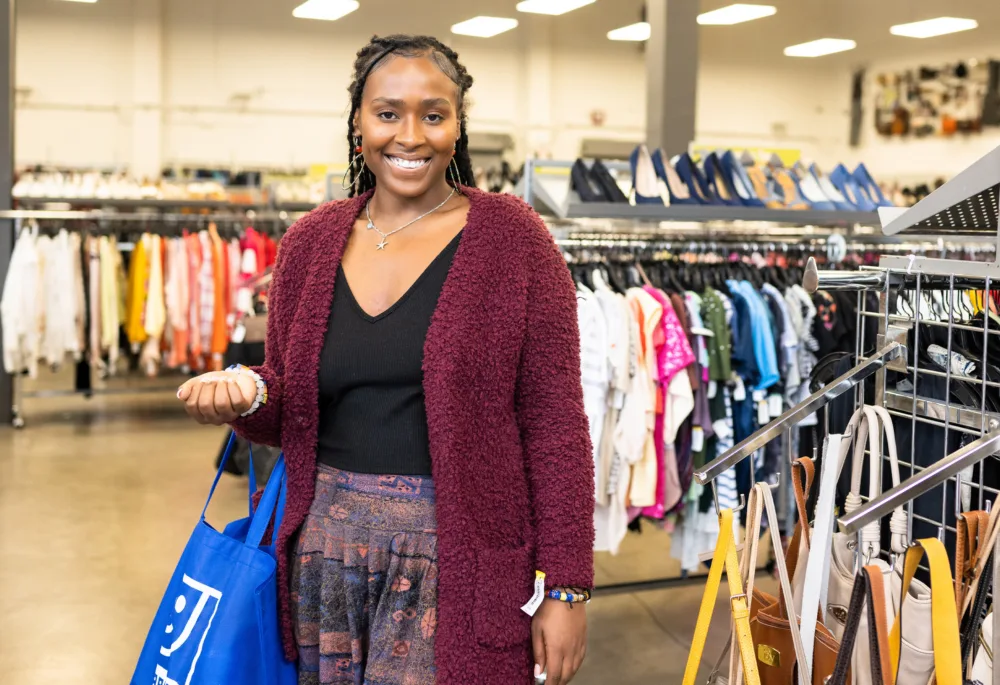
Shifting from consumerism to curation: Embracing unique finds as investments, one deliberate choice at a time.
Final Thought
Building a sustainable closet is one of the most personal – and powerful – ways to reduce your environmental footprint. Every mindful choice adds up. This Earth Month, commit to wearing what you love longer, shopping with intention, and creating a wardrobe that reflects your values as much as your style.