Skip to main content

How a Simple Act of Giving Creates Lasting Impact for People, the Planet, and Community
More than a century ago, Rev. Edgar J. Helms had a simple but powerful idea: what if gently used goods could create opportunity for people in need – rather than become waste?
In 1902, Helms founded Goodwill Industries on this principle. He collected donated household items, repaired and repurposed them, and provided meaningful work to individuals facing barriers to employment. The model was revolutionary for its time- and still relevant today – combining environmental responsibility with human dignity and opportunity.
That mission continues today through local organizations like Palmetto Goodwill, where every donation plays a role in strengthening our community and protecting the planet.
So, what really happens after you drop off your donations? Here’s how your items move through the donation cycle – and why it matters.
Your donations create “double duty” impact: supporting environmental sustainability while funding local job training and career services.
From Donation to Impact: A Thoughtful, Purpose‑Driven Process
Step 1: Donations Are Received and Carefully Sorted
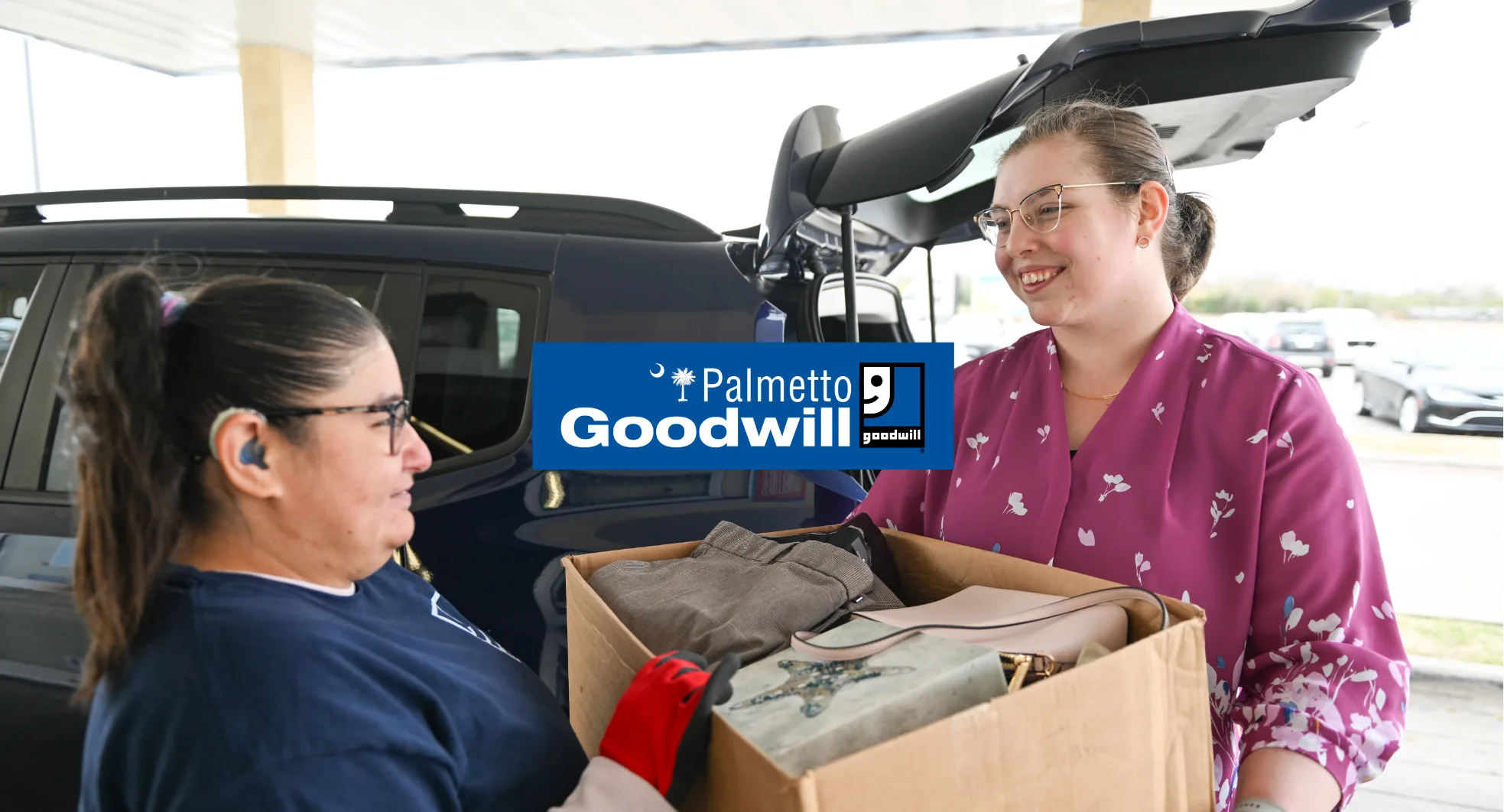
Once donations are dropped off at a Palmetto Goodwill donation center, they’re handled by trained team members who carefully sort each item. Donations are evaluated by category, such as clothing, home goods, electronics, or furniture, and assessed based on condition and usability.
Items don’t need to be brand new, but they should be clean, safe, and gently used. This first step ensures that donations are directed to the most responsible and impactful next stage. Click here to access the list of items we accept.
Why this matters:
Thoughtful handling helps keep usable items in circulation and reduces unnecessary waste, supporting a more sustainable system of reuse.
Step 2: Giving Items a Second Life Through Retail Stores
Many donated items are prepared for resale in Palmetto Goodwill retail stores. These include:
- Clothing and shoes
- Household goods and décor
- Furniture
- Books, toys, and accessories
By making secondhand goods available to shoppers, Goodwill helps reduce the demand for new production – a process that often requires significant natural resources, energy, and water.
Secondhand shopping also keeps perfectly usable items out of landfills, making resale one of the most effective ways to support environmental sustainability.
Environmental impact:
Buying and selling secondhand reduces waste, conserves resources, and lowers carbon emissions associated with manufacturing and shipping new goods.
Step 3: Responsible Redirection for Unsold Items
Not every donated item ends up on the sales floor, but that doesn’t mean it goes to waste.
Items that aren’t sold may be:
- Recycled responsibly
- Repurposed through salvage programs
- Redirected based on material type
Palmetto Goodwill works to divert as much material as possible from landfills, supporting a more circular approach where goods are reused or recycled whenever feasible.
This reinforces the idea that donating is not just about one moment – it’s part of a larger sustainability system designed to reduce waste at every step.
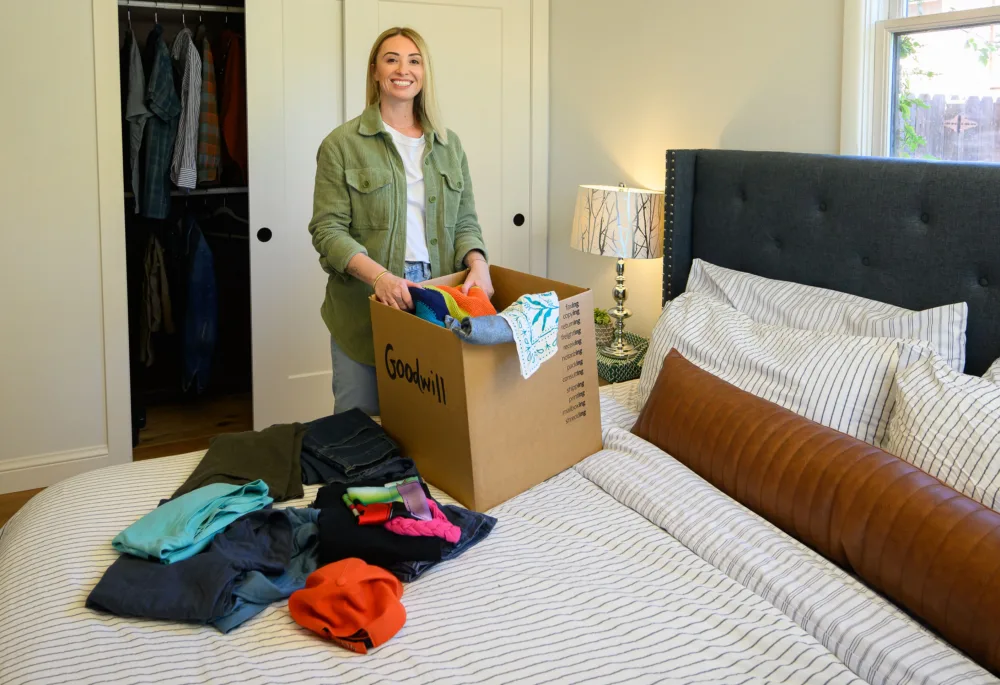
Preparing your clean, gently used items for donation at home is the essential first step in our sustainability cycle.
How Donations Support Palmetto Goodwill’s Mission
The impact of your donations extends far beyond environmental benefits.
Revenue generated from the sale of donated goods supports Palmetto Goodwill’s mission of creating opportunities for individuals and families across our community. These funds help provide:
- Job training and career readiness programs
- Employment services for individuals facing barriers
- Educational and skills‑building opportunities
In this way, donations do double duty – supporting both environmental sustainability and economic empowerment.
This model stays true to Rev. Helms’ original vision: using the power of donated goods to create pathways to independence and success.
The Circular Economy in Action – Right Here at Home
Palmetto Goodwill’s donation cycle is a real-world example of the circular economy:
- Items are reused instead of discarded
- Resources are conserved
- Revenue is reinvested locally
- Communities grow stronger together
Rather than a “take, make, waste” process, this circular model extends the life of goods while creating lasting social and environmental impact.
Every donation helps keep resources in use and invests in the people who live and work in our region.
How You Can Make Your Donations Go Even Further
Want to maximize the impact of your donations? A few simple steps can help:
- Donate clean, gently used items
- Follow local donation guidelines
- Group similar items together
- Donate year‑round—not just during big cleanouts
Small actions add up. Each thoughtfully donated item helps reduce landfill waste while supporting programs that strengthen our community.
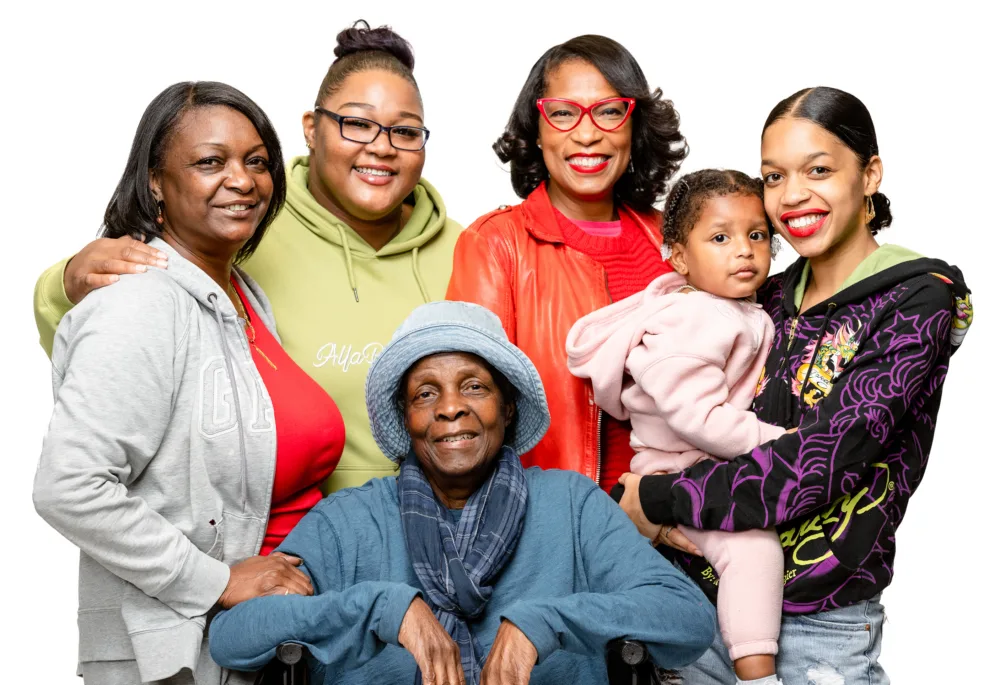
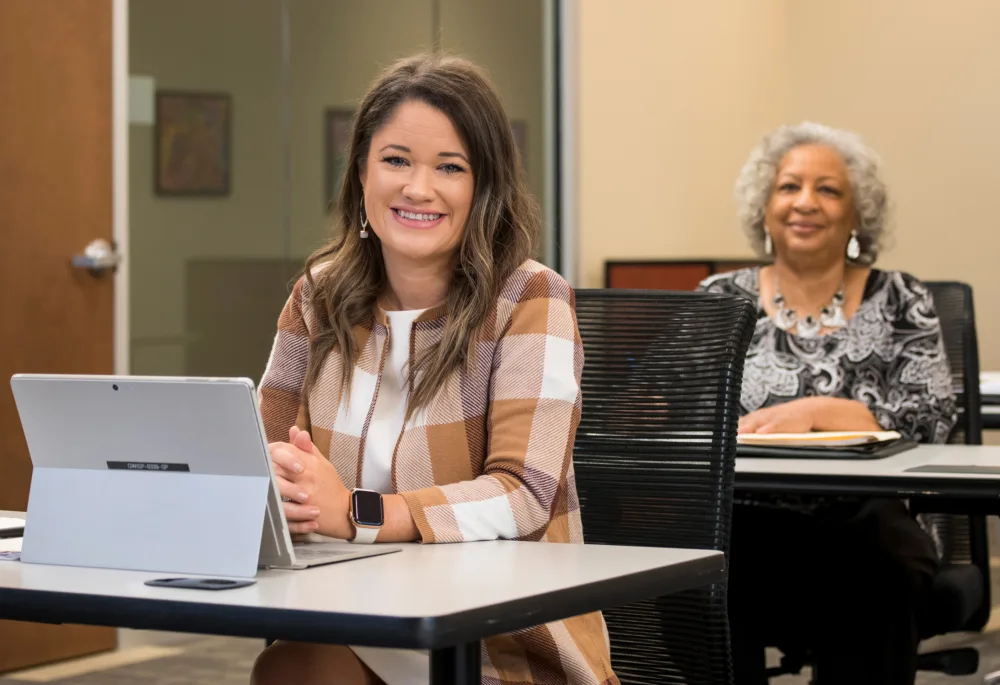
Every donation you make directly funds the job training and career services that empower families throughout our community.
A Legacy of Opportunity – Still Growing Today
What began in 1902 with Rev. Edgar J. Helms’ belief in dignity through work continues today through Palmetto Goodwill’s commitment to people, planet, and purpose.
When you donate, you’re not just clearing space, you’re participating in a legacy of sustainability, opportunity, and hope that has endured for generations.